How Pool Chemistry Affects Your Liner (And How to Protect It)
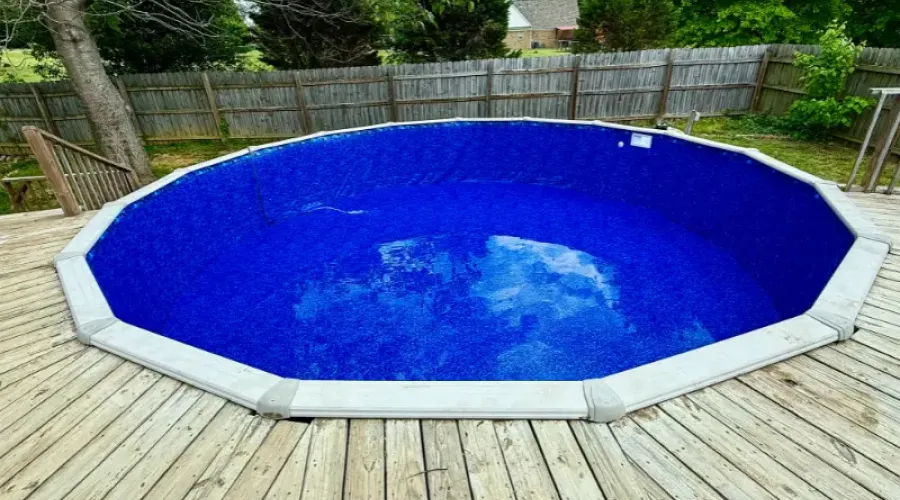
Your pool liner does a lot more than make your pool look great. But here’s what many pool owners in the Memphis and Olive Branch area don’t realize: The chemistry of your pool water has a direct impact on the lifespan of your pool liner, and getting it wrong can cost you in premature liner replacement.
How Pool Chemistry Impacts Your Liner
Vinyl pool liners are designed to be durable, but they’re definitely not invincible. The vinyl material is sensitive to extreme pH levels, high chlorine concentrations, and mineral imbalances. When your water chemistry falls out of range, even for a short time, it can begin to degrade at a molecular level. Eventually, your pool liner will fade, become brittle, wrinkle, crack, and eventually leak.
The climate of the Memphis area adds another layer of complexity. Our long, hot summers, with temperatures regularly pushing into the 90s, accelerate chemical reactions in pool water, meaning imbalances can cause damage faster here than they would in cooler climates. UV exposure from intense Southern sun also degrades vinyl more quickly, especially when the water chemistry isn’t providing a stable environment.
The Key Chemical Factors That Affect Your Pool Liner
Pool water chemistry is exactly that, chemistry! There are a variety of different compounds and chemicals at play in your residential pool, and all of them need to be within a certain range to keep your liner (and yourself) healthy.
- pH Levels: pH is the single most important chemical factor for your pool liner’s health. It measures how acidic or alkaline your water is, and keeping it in the proper range ensures your water isn’t corrosive to your liner or irritating to swimmers.
- Chlorine Levels: Chlorine is your pool’s primary sanitizer and is absolutely necessary for safe swimming. However, too much of it, or adding it improperly, can be one of the fastest ways to damage your vinyl pool liner.
- Total Alkalinity: Total alkalinity (TA) acts as a buffer for your pool’s pH, helping to keep it stable and prevent sudden swings. Keeping TA in range makes the rest of your water chemistry much easier to manage.
- Calcium Hardness: Calcium hardness refers to the amount of dissolved calcium in your pool water. Water that is too soft or too hard can both cause problems for your liner, so finding the right balance is important.
- Cyanuric Acid (Stabilizer): Cyanuric acid (CYA) is a stabilizer that protects chlorine from being rapidly broken down by UV rays. Without it, sunlight can destroy your chlorine within just a few hours, making it difficult to keep your water properly sanitized.
If you have questions about proper ranges or PPM details, call or walk into one of our two locations for information and free water testing. We have stores in both Memphis, TN and Olive Branch, MS!
Warning Signs That Chemistry Is Damaging Your Vinyl Liner
Pool liner damage from chemistry problems often develops gradually. Catching it early can save you from a full pool liner replacement. Watch for these signs:
- Fading or bleaching of the liner’s color or pattern, especially in concentrated areas
- Wrinkles or ripples forming along the pool floor or walls
- Stiff or brittle vinyl that cracks when pressed
- White, chalky calcium deposits or scale on the liner surface
- Persistent staining that doesn’t respond to normal cleaning
- A slippery or slimy texture on the liner
- Unexplained water loss that suggests the liner has developed a leak or small tear
If you notice any of these issues with your pool liner, bring a water sample into Blue Wave Pool Supplies. Our team offers free water testing and can help you diagnose what’s going on with your pool chemistry.
How to Protect Your Pool Liner With Proper Water Chemistry
Test Your Water Regularly and Correctly
During swim season, test your pool water at least two to three times per week. Use a quality test kit or test strips that measure pH, free chlorine, total alkalinity, and calcium hardness at minimum. For the most accurate results, bring a water sample into Blue Wave at least once a month for a professional test.
Shock Smart and Safely
Shocking your pool is an important part of maintenance, especially after heavy rain events (which are common here in the Mid-South), large pool parties, or periods of high heat. But shocking incorrectly is a leading cause of liner damage. Always:
- Shock in the evening or at night to reduce UV degradation of the chemicals
- Pre-dissolve granular shock in a bucket of water before adding to the pool
- Brush the pool floor and walls after shocking to prevent concentrated chemical from sitting on the liner
- Run your pump and filter for at least 8 hours after shocking to fully circulate the treatment
Keep Circulation Strong
Proper water circulation is essential to even chemical distribution. Dead spots in your pool, areas with poor circulation, can develop localized imbalances that damage the liner over time. Run your pool pump for at least 8 to 12 hours per day during peak summer heat, and make sure your return jets are angled to create a circular flow pattern.
Local Considerations for Pool Owners
Pool care in the Mid-South isn’t quite the same as in other parts of the country. Here are a few regional factors that directly affect your pool chemistry, and by extension, your liner’s health:
- Heavy Summer Rain: The Memphis area is no stranger to summer thunderstorms. Heavy rainfall dilutes your pool’s chemical balance, lowering pH and chlorine levels quickly. After any significant rain event, always test your water.
- High Temperatures: When the heat index climbs above 100°F, chlorine degrades more rapidly and algae growth can accelerate. Increase testing frequency during heat waves.
- Long Swim Seasons: Our area enjoys a longer-than-average swim season compared to much of the country, which means your liner is exposed for a few more months out of the year. This makes consistent water chemistry management even more critical for liner longevity.
How Long Should a Pool Liner Last With Proper Chemistry?
A quality vinyl pool liner, when properly installed and maintained with consistent water chemistry, should last anywhere from 10 to 15 years, sometimes longer. In our climate, with its combination of UV exposure, heat, and a long swim season, the lower end of that range is more realistic without diligent care. Pool owners who test and balance their water consistently, avoid common chemical mistakes, and bring their water in for professional testing regularly are the ones who get the most life out of their liner.
When pool liner replacement does become necessary, whether due to age, accumulated chemical damage, or physical wear, Blue Wave Pool Supplies can help you choose the right replacement liner for your pool, your budget, and your aesthetic preferences.
Get a Free Water Test at Blue Wave Pool Supplies
Don’t wait until you see fading, wrinkling, or staining to think about your pool’s water chemistry. The best liner protection is prevention! Visit us in Memphis or Olive Branch today to speak with a pool care specialist and get your water tested.