How Memphis Heat Can Affect Your In-Ground Pool Liner
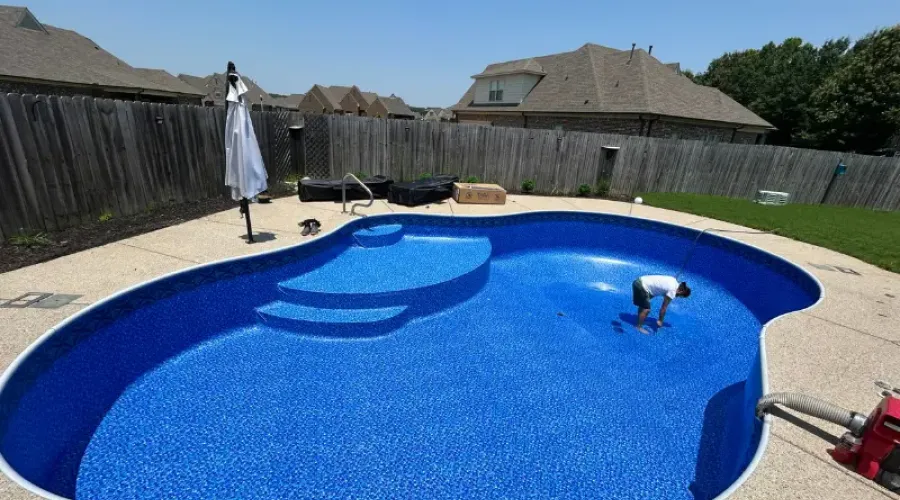
If you own an in-ground pool in Memphis or Olive Branch, you already know that summer is no mild affair. From late May through September, the Mid-South delivers a combination of intense heat, UV radiation, and humidity. It’s great for swimming, but not so great for your vinyl pool liner.
Most pool owners think about their liner only when they notice a visible problem, maybe a wrinkle that wasn’t there before or a pattern that looks washed out. By the time you’re seeing those signs, though, your liner has already taken a significant beating. Understanding how the climate damages your pool liner puts you ahead of the problem.
What Makes the Mid-South Summer So Hard on Pool Liners
Memphis averages a July high of around 92°F, with a heat index that regularly climbs to over 100 with humidity. August follows closely at an average high of 91°F, with a heat index also in the 100s. Our region sees upward of 10 hours of direct sunshine per day during peak summer months, and the UV index consistently hits high numbers as well, classified as “high risk” for UV-related damage.
How UV Radiation Breaks Down Vinyl Liners
Vinyl pool liners are manufactured with additives that keep the material soft, flexible, and workable. The problem is that UV radiation from the sun breaks down these additives over time through a process called photodegradation. Over a season (especially across multiple seasons), this shows in a variety of ways.
- Fading and Color Loss: UV degradation attacks the pigments and dyes woven into the liner’s pattern. Darker, more saturated patterns (deep blues, navy, charcoal) tend to fade more visibly and faster than lighter ones. This isn’t just cosmetic, though. Significant fading indicates the top layer of the vinyl is being broken down. We’ve covered the causes and warning signs of liner fading in more detail in our post on pool liner problems like wrinkling and fading.
- Reduced Elasticity: As the additives break down, the liner loses its flexibility. Vinyl that was once pliable becomes stiff and susceptible to cracking, especially at stress points like corners and steps.
- Waterline Deterioration: The strip of liner at and just above the waterline takes the worst of the UV damage because it’s exposed to both direct sunlight and the chemical interaction at the surface. This zone often shows brittleness, discoloration, and cracking before the rest of the liner does.
- Degradation Above the Water Surface: The portion of your liner submerged below the waterline has some protection, since water absorbs and scatters UV radiation. But the area above the waterline is fully exposed. If your water level runs low, that previously submerged zone can experience quicker deterioration.
How Extreme Heat Compounds the Problem
UV isn’t the only threat. The extreme heat of a Memphis summer creates its own set of issues for in-ground pool liners, including:
- Water Temperature and Liner Expansion: When your pool water heats up significantly, the liner material expands. As temperatures cool overnight, it contracts. This cycle puts cumulative stress on the vinyl. Over time, this stress can contribute to small stress fractures and eventual tearing, particularly at corners and seams.
- Surface Temperature: The actual temperature of a vinyl liner exposed to the sun is higher than the air temperature. On a 95°F Memphis afternoon, a dark-colored liner sitting in direct sun with no water coverage could reach surface temperatures of 120°F. At those temperatures, damage occurs even faster.
We go deeper on the maintenance routines that protect against these chemical threats in our post on proper maintenance to extend the life of your pool liner, which is a good reference for building out your summer schedule.
Practical Ways to Reduce Heat and UV Damage
Given everything above, the goal is to reduce the impacts of UV and heat exposure while keeping your water chemistry as perfect as possible. Here are the most impactful strategies:
- Strategic Shade: Even partial shade over your in-ground pool during peak UV hours can meaningfully extend liner life. Shade sails, pergolas, and well-placed cantilever umbrellas all provide effective protection without requiring permanent structures over the pool itself. Our pool shade guide goes into detail on which shade options are liner-safe and which ones to avoid.
- Maintain Water Level: Keep your pool filled to the proper operating level throughout summer. This ensures the maximum amount of liner remains submerged and shielded from direct UV exposure. Don’t let evaporation drop your level significantly before topping it off.
- Use a Quality Solar or Safety Cover: A cover blocks UV radiation, reduces evaporation, helps maintain water temperature more consistently when the pool is not in use.
- Test Your Water Weekly: Water chemistry is important to maintain in the Memphis heat.Bring a cup of water into either of our locations and we’ll test it for free. If your pH, alkalinity, or sanitizer levels are off, we’ll tell you exactly what’s needed to correct it.
- Pre-Dissolve Shock Treatments: Never broadcast granular shock or chlorine directly onto the liner surface. Always pre-dissolve in a bucket of water before adding to the pool, and add it near a return jet so it circulates quickly rather than settling.
Signs Your Liner Has Taken Too Much Heat Damage
No liner lasts forever, and if yours has been through several harsh summers without consistent maintenance, the damage may be past the point of no return. Here are the signs it’s time to talk to our team about replacement:
- Consistent wrinkling that doesn’t resolve with chemistry correction (ruling out water imbalance as the cause)
- Fading that has become extreme, particularly combined with brittle or chalky texture
- Waterline cracking or tearing, especially if it’s progressed beyond a few inches
- Visible pinholes or leaks requiring frequent water addition beyond normal evaporation
- Liner separating from the bead track at the coping in multiple locations
Your Local Resource Now in Memphis and Olive Branch!
We sell pool supplies, but we also genuinely enjoy helping people understand their pools. Whether you walk in for free testing, have a question about liner thickness, or a photo of something on your liner that doesn’t look right, the teams at our Memphis and Olive Branch locations are ready to give you straight answers and real information. Call or come in and visit today!